Aging in Place: A Practical Guide for Families
What aging in place means, who it may suit, how to prepare the home, and when additional support can help your loved one stay safely and comfortably at home.

Most older adults say they want to stay in their own home as they age. According to AARP, nearly 90 percent of adults 65 and older prefer to remain in their current residence rather than move to a facility. Families often share that goal, but many are unsure how to make it work safely.
This guide explains what aging in place means, what makes it successful, and how to know when extra support is needed.
What Aging in Place Means
Aging in place is the ability to live in your own home and community safely, independently, and comfortably, regardless of age, income, or ability level. It does not mean doing everything alone. It means having the right combination of home modifications, support, and planning so that changing needs do not force a move.
Aging in place works best when families plan ahead rather than waiting for a crisis. A fall, a hospital stay, or a sudden change in health can turn a manageable situation into an urgent one. Planning gives you time to make thoughtful decisions instead of rushed ones.
Who May Benefit from Aging in Place
Aging in place can work well for older adults who:
- ✓Have a home that can be adapted for safety
- ✓Live in a community with access to groceries, medical care, and social connection
- ✓Have family, friends, or professional caregivers nearby
- ✓Are willing to accept help as needs change
- ✓Do not require round-the-clock skilled nursing care
It may be less suitable for someone who needs 24-hour medical supervision, has advanced dementia with wandering behaviors, or lives in an isolated area without support nearby.
Preparing the Home
Home modifications are one of the most important steps. The Centers for Disease Control and Prevention (CDC) reports that falls are the leading cause of injury and injury death among adults 65 and older. Many of these falls happen at home, and many are preventable.
Key modifications to consider:
Bathroom Safety
- ✓Install grab bars near the toilet and inside and outside the shower
- ✓Use a non-slip mat inside the tub or shower
- ✓Consider a shower chair and handheld showerhead
- ✓Raise the toilet seat if sitting or standing is difficult
General Home Safety
- ✓Remove or secure loose rugs
- ✓Improve lighting in hallways, stairways, and entryways
- ✓Install night lights along the path from bedroom to bathroom
- ✓Keep walkways clear of clutter and cords
- ✓Consider motion-sensor lights for outdoor areas
Accessibility
- ✓Install lever-style door handles, which are easier for arthritic hands
- ✓Move frequently used items to waist height to reduce reaching and bending
- ✓Consider a ramp if stairs at the entry are difficult
- ✓Widen pathways for walker or wheelchair access if needed
For a more detailed room-by-room checklist, see our home safety checklist for older adults.
Building a Support Network
Aging in place does not mean aging alone. A strong support network includes:
- ✓Family and friends who visit regularly and can check in
- ✓Professional caregivers who help with daily tasks like bathing, meal preparation, and companionship
- ✓Healthcare providers who monitor health and adjust care as needs change
- ✓Community resources like senior centers, transportation services, and meal programs
Many families start with a few hours of professional care per week and increase as needs change. This gradual approach helps your loved one adjust to having help without feeling like they are losing independence.
When to Consider Additional Support
Needs change over time. Signs that more support may be needed include:
- ✓Difficulty with bathing, dressing, or grooming
- ✓Meals being skipped or the refrigerator full of expired food
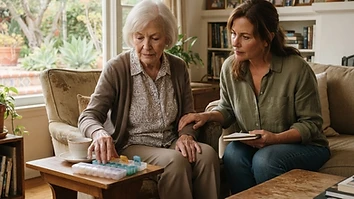
- ✓Medications being missed or taken incorrectly
- ✓The home becoming cluttered or less clean
- ✓Withdrawal from social activities or hobbies
- ✓Unexplained bruises or signs of falls
- ✓Difficulty managing finances or paying bills
If you notice several of these signs, it may be time for a conversation about additional help. Our article on signs an aging parent needs help at home offers more detail.
Comparing Your Options
Aging in place is one option among several. Assisted living, continuing care retirement communities, and memory care facilities each have their own benefits. The right choice depends on your loved one's health, preferences, finances, and support network.
For a neutral comparison, see our article on aging in place versus assisted living.
Getting Started
If you are beginning to think about aging in place for a loved one, consider these steps:
- ✓Have an honest conversation. Ask your loved one what they want and what concerns them. Listen more than you talk.
- ✓Assess the home. Walk through each room and note potential hazards or barriers.
- ✓Explore care options. Learn what in-home care includes and what it costs. A free care assessment can help you understand what level of support fits your situation.
- ✓Plan financially. Understand what insurance, Medi-Cal, VA benefits, or private pay may cover. See our guide to ways to pay for home care.
- ✓Start small. Begin with a few hours of help per week and adjust as needs change. This gives your loved one time to adjust.
Aging in place is not about doing it all yourself. It is about building the right support so your loved one can remain in the home they love, with dignity and safety, for as long as possible.
If you would like to talk through your options, Healthy at Home offers a free care assessment with no obligation. We can help you understand what level of support fits your family's situation.
Healthy at Home Caregivers
Educational resource for families and caregivers
Could your loved one use more support at home?
Healthy at Home provides personalized non-medical home care designed around your family's schedule and needs.
Learn About Home CareNeed more support at home?
Every family's situation is different. Healthy at Home can help you understand your options and build a care plan that fits your loved one's needs.
Prefer to talk? Call (949) 340-2617