10 Everyday Tasks That Can Become Harder With Age
Everyday activities like bathing, cooking, and managing medications can become difficult with age. Understanding these changes helps families plan for the right support.

As people age, certain everyday tasks can become more difficult. Sometimes the change is gradual, and sometimes it follows an illness or surgery. Understanding which tasks are affected helps families know when to seek support.
Healthcare professionals group these tasks into two categories: Activities of Daily Living (ADLs) and Instrumental Activities of Daily Living (IADLs). Knowing the difference helps you understand what kind of help your loved one may need.
Activities of Daily Living (ADLs)
ADLs are the basic self-care tasks that everyone needs to do every day. When these become difficult, safety and dignity are directly affected.
1. Bathing and Showering
Bathing requires balance, strength, and the ability to reach and scrub. Fear of falling in the bathroom is common and can lead to skipping baths. A caregiver can help with bathing safely, or a shower chair and grab bars can make independent bathing possible for longer.
2. Dressing
Buttons, zippers, and pulling clothes over the head can be difficult with arthritis or limited shoulder mobility. A caregiver can help with dressing while encouraging your loved one to do as much as they can independently.
3. Toileting and Continence Care
Getting to the bathroom in time, managing clothing, and maintaining hygiene can become challenging. Incontinence is common but often goes undiscussed because of embarrassment. A caregiver provides discreet, dignified help.
4. Eating and Feeding
Holding utensils, cutting food, and bringing food to the mouth can become difficult after a stroke, with arthritis, or due to cognitive change. A caregiver can help with feeding while encouraging independence where possible.
5. Transferring
Getting in and out of bed, a chair, or the bathroom requires strength and balance. Difficulty with transfers is one of the biggest fall risks. A caregiver is trained in safe transfer techniques.
Instrumental Activities of Daily Living (IADLs)
IADLs are the more complex tasks that allow someone to live independently. These tend to become difficult before ADLs do, which makes them early warning signs.
6. Meal Preparation
Planning meals, grocery shopping, and cooking require physical ability, cognitive function, and motivation. When meals become difficult, nutrition often suffers. A caregiver can help with shopping, cooking, and meal planning.
7. Medication Management
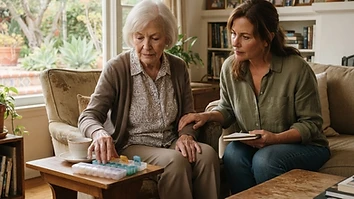
Remembering which medications to take, when, and in what dose becomes harder as the number of prescriptions grows. Missed or doubled doses can cause serious problems. A caregiver can provide medication reminders and help organize pill boxes.
8. Housekeeping
Vacuuming, laundry, dishes, and general cleaning require physical effort and energy. When housekeeping declines, clutter builds up, which creates fall risks. A caregiver can handle light housekeeping to keep the home safe.
9. Transportation and Errands
Driving may become unsafe due to vision changes, slower reflexes, or medication side effects. Getting to appointments, the grocery store, and social events becomes a challenge. A caregiver can provide transportation and accompany your loved one on errands.
10. Managing Finances
Paying bills, balancing a checkbook, and managing insurance paperwork require cognitive function and organization. Difficulty managing finances can be an early sign of cognitive change. A caregiver cannot manage finances, but family members or a fiduciary can help.
Why This Framework Matters
Understanding ADLs and IADLs helps you in several ways:
- ✓It gives you a shared language for talking with doctors and care providers
- ✓It helps you identify what kind of help is needed and when
- ✓It provides a baseline so you can track changes over time
- ✓It guides decisions about the level and type of care that fits
When to Seek Help
If your loved one is struggling with one or two IADLs, a few hours of help per week may be enough. If ADLs are affected, more regular support is usually needed.
The goal is not to take over everything. It is to fill in the gaps so your loved one can continue doing what they can, safely, for as long as possible.
If you would like help assessing your loved one's needs, Healthy at Home offers a free care assessment. We can help you understand what level of support fits and how to get started.
Healthy at Home Caregivers
Educational resource for families and caregivers
Could your loved one use more support at home?
Healthy at Home provides personalized non-medical home care designed around your family's schedule and needs.
Learn About Home CareNeed more support at home?
Every family's situation is different. Healthy at Home can help you understand your options and build a care plan that fits your loved one's needs.
Prefer to talk? Call (949) 340-2617