Home Safety for Seniors With Dementia
Dementia changes how a person interacts with their home. These safety strategies address the unique risks that come with memory loss and confusion.
Dementia changes not only how a person thinks but how they interact with their home. A home that was once familiar can become confusing, and everyday objects can become hazards. Safety strategies that work for other older adults may not be enough for someone living with dementia.
This article covers the unique safety considerations that come with memory loss and confusion.
Why Dementia Changes Home Safety
As dementia progresses, it affects:
- ✓Judgment: The person may not recognize a situation as dangerous
- ✓Memory: They may forget how to use appliances or where rooms are
- ✓Vision and perception: They may misinterpret what they see, have trouble with depth perception, or not recognize their reflection
- ✓Impulse control: They may act without thinking, such as leaving the house in the middle of the night
- ✓Physical ability: Balance and coordination may decline
Standard home safety advice, like installing grab bars and removing rugs, still applies. But dementia requires additional strategies.
Wandering Prevention
Wandering is one of the most frightening risks for families. The Alzheimer's Association reports that 6 in 10 people with dementia will wander at least once. Wandering can happen at any time, including at night.
Strategies to reduce wandering risk:
- ✓Lock doors and windows. Use locks that are out of the normal line of sight, such as locks placed high or low on the door. Consider slide bolts at the top of the door.
- ✓Disguise exits. Cover doors with curtains or a mural that makes them look like a wall or bookshelf. Some people with dementia will not recognize a door if it is camouflaged.
- ✓Install door alarms. Sensors that sound when a door opens can alert you or a caregiver. Some systems send alerts to your phone.
- ✓Use a monitoring system. Door sensors, motion detectors, or bed alarms can alert you if your loved one gets up at night.
- ✓Register with a safe return program. The Alzheimer's Association offers a MedicAlert Safe Return program that can help if your loved one wanders.
- ✓Keep car keys out of sight. If your loved one is still driving or has access to keys, remove them. Driving with dementia is a serious safety risk.
For more detail, see our article on reducing dementia wandering risk.
Kitchen Safety
The kitchen has many potential hazards for someone with dementia:
- ✓Stove safety: Your loved one may forget to turn off the stove or may not remember how to use it safely. Consider removing stove knobs, installing an automatic shut-off device, or turning off the gas or electricity to the stove when it is not in use.
- ✓Sharp objects: Store knives and sharp tools out of sight or in a locked drawer.
- ✓Food safety: Someone with dementia may eat spoiled food or may not remember what is safe to eat. Check the refrigerator regularly and remove expired items.
- ✓Appliances: Small appliances like toasters and microwaves may become confusing. Label them with simple instructions or remove them if they pose a risk.
Bathroom Safety
All the standard bathroom safety advice applies, plus:
- ✓Water temperature: Set the water heater to 120 degrees or lower. Someone with dementia may not feel that water is too hot.
- ✓Lock up medications: Store all medications in a locked box or cabinet. Someone with dementia may take medications incorrectly or may not recognize them.
- ✓Remove hazards: Remove items that could be mistaken for food or drink, such as cleaning supplies or mouthwash that contains alcohol.
Creating a Calm Environment
A calm, predictable environment reduces confusion and agitation, which in turn reduces risky behaviors:
- ✓Reduce clutter. A cluttered space is confusing and overwhelming. Keep rooms simple and organized.
- ✓Use contrasting colors. A person with dementia may have trouble distinguishing objects of similar colors. Use contrasting colors for plates, toilet seats, and steps to make them easier to see.
- ✓Minimize noise. Turn off the TV and radio when not in use. Background noise can be confusing and distressing.
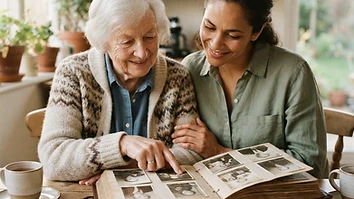
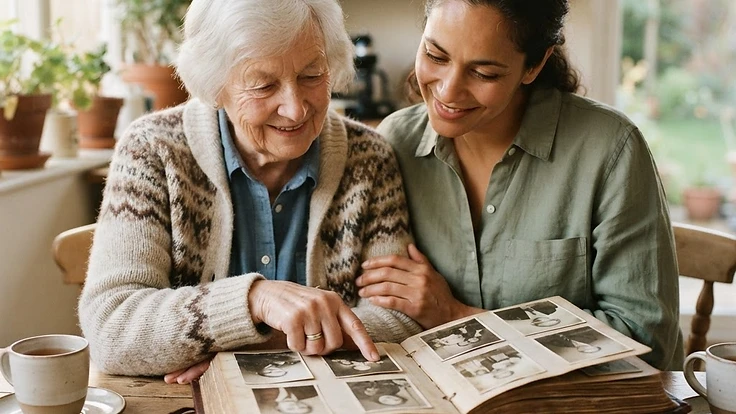
- ✓Keep familiar objects. Family photos, favorite chairs, and familiar decorations provide comfort and orientation.
- ✓Avoid mirrors. Some people with dementia do not recognize their own reflection and may become frightened or agitated. Cover or remove mirrors if this is an issue.
Lighting
Good lighting is especially important for someone with dementia:
- ✓Reduce shadows. Shadows can be misinterpreted as holes or obstacles. Ensure even lighting throughout the home.
- ✓Use natural light. Open curtains during the day. Natural light helps regulate sleep-wake cycles and reduces confusion.
- ✓Night lights. Keep night lights on in the bedroom, hallway, and bathroom. This helps with nighttime bathroom trips and reduces disorientation.
When to Consider More Support
Home modifications can help, but as dementia progresses, the home may no longer be safe even with modifications. Signs that more support is needed include:
- ✓Your loved one has wandered or tried to leave the house
- ✓They are leaving the stove on or having other safety incidents
- ✓They are falling or having near-falls
- ✓You are unable to sleep because you are worried about their safety
- ✓They need help with most daily activities
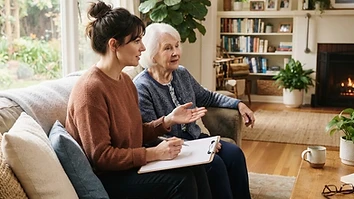
A caregiver trained in dementia care can help with safety, routines, and companionship. For more on this, see our article on when dementia caregivers need more help.
A Note on the GUIDE Program
If your loved one has dementia and is enrolled in Medi-Cal, the GUIDE program may offer additional support. See our GUIDE dementia care program page for more information.
Dementia changes the safety landscape of the home. With the right modifications and support, many people with dementia can remain safely at home for a significant time. But it requires vigilance, planning, and willingness to adjust as the condition progresses.
If you would like help assessing your loved one's home safety, Healthy at Home offers a free care assessment. Our caregivers are trained in dementia care and can help create a safe, calm environment.
Healthy at Home Caregivers
Educational resource for families and caregivers
Could your loved one use more support at home?
Healthy at Home provides personalized non-medical home care designed around your family's schedule and needs.
Learn About Home CareNeed more support at home?
Every family's situation is different. Healthy at Home can help you understand your options and build a care plan that fits your loved one's needs.
Prefer to talk? Call (949) 340-2617