
Nighttime Safety Tips for Older Adults Living at Home
Many falls happen at night when getting up to use the bathroom. These tips can make the nighttime hours safer for older adults living at home.
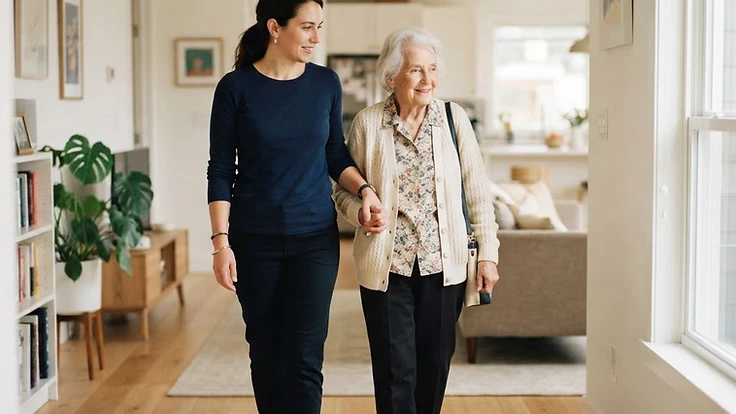
Many falls among older adults happen at night. Getting up in the dark to use the bathroom, combined with grogginess and reduced visibility, creates a high-risk situation. The CDC notes that falls are the leading cause of injury for adults 65 and older, and nighttime falls are a significant portion of those.
Here are practical steps to make the nighttime hours safer.
Light the Path
The most important nighttime safety step is lighting the path from the bedroom to the bathroom. Install night lights that turn on automatically so your loved one does not have to fumble for a switch.
- ✓Place night lights in the bedroom, hallway, and bathroom
- ✓Use motion-sensor lights that turn on when someone gets out of bed
- ✓Consider LED lights that plug directly into outlets
- ✓Ensure the bathroom has a night light that stays on all night
The goal is for your loved one to be able to see clearly without turning on overhead lights, which can be disorienting.
Clear the Path
The path from bed to bathroom should be completely clear:
- ✓Remove all furniture, cords, and clutter from the walkway
- ✓Secure or remove all rugs
- ✓Ensure doors can open fully without hitting anything
- ✓Keep the floor dry and clean
If your loved one uses a cane or walker, make sure it is within arm's reach of the bed, not across the room.
Make the Bedroom Safe
- ✓Ensure the bed is at a height that is easy to get in and out of. If the bed is too low, risers can help. If it is too high, a lower frame may be needed.
- ✓Keep a phone or medical alert device on the nightstand
- ✓Place a sturdy chair with arms near the bed for support
- ✓Keep glasses and any needed items within reach
- ✓Consider bed rails for support when getting in and out
Bathroom Access at Night
If the bathroom is far from the bedroom or on another floor, consider alternatives:
- ✓A bedside commode placed next to the bed
- ✓A urinal for men
- ✓A portable toilet chair
These options reduce the need to walk through the house at night. They are not ideal long-term solutions, but they can be helpful during recovery or while modifications are being made.
Medication Timing
Some medications increase fall risk at night:
- ✓Diuretics (water pills) increase the need to urinate at night
- ✓Sleep aids and sedatives cause grogginess and unsteadiness
- ✓Blood pressure medications can cause dizziness when standing
Ask the doctor or pharmacist if any medications can be taken at a different time. For example, taking a diuretic in the morning instead of the evening can reduce nighttime bathroom trips.
Manage Fluid Intake
Encourage your loved one to drink plenty of fluids during the day but reduce intake in the evening. This does not mean restricting fluids, which can lead to dehydration. It means shifting more of the daily intake to morning and afternoon.
Avoid caffeine and alcohol in the evening, as both can increase the need to urinate at night and can affect sleep quality.
Address Sleep Quality
Poor sleep leads to grogginess and unsteadiness at night. If your loved one has trouble sleeping, talk with their doctor. Sleep changes are common with age, but chronic sleep problems should be evaluated.
For more on this topic, see our article on sleep and nighttime routines for seniors.
Consider Overnight Care
If your loved one has fallen at night, has significant mobility issues, or has dementia with nighttime wandering, overnight care may be needed. A caregiver who stays awake through the night can:
- ✓Help with bathroom trips safely
- ✓Provide assistance if your loved one becomes confused
- ✓Respond immediately if a fall occurs
- ✓Provide peace of mind for family members
Overnight care is especially valuable for someone with dementia who experiences sundowning or nighttime wandering. See our article on sundowning at home for more.
Emergency Preparedness
Make sure your loved one can call for help at night:
- ✓Keep a phone on the nightstand
- ✓Consider a medical alert device that can be worn to bed
- ✓Post emergency numbers near the phone
- ✓Ensure the home address is visible for emergency responders
A Final Note
Nighttime safety is often overlooked because families focus on daytime risks. But the combination of darkness, grogginess, and the need to get up makes the nighttime hours particularly dangerous. A few simple changes, like night lights and a clear path, can make a significant difference.
For more on home safety, see our room-by-room home safety checklist. And if you would like help assessing your loved one's nighttime safety, Healthy at Home offers a free care assessment.
Healthy at Home Caregivers
Educational resource for families and caregivers
Could your loved one use more support at home?
Healthy at Home provides personalized non-medical home care designed around your family's schedule and needs.
Learn About Home CareNeed more support at home?
Every family's situation is different. Healthy at Home can help you understand your options and build a care plan that fits your loved one's needs.
Prefer to talk? Call (949) 340-2617