Simple Ways to Encourage Safe Physical Activity for Seniors
Regular physical activity is one of the best things older adults can do for their health. Here is how to encourage it safely.

Regular physical activity is one of the most powerful things older adults can do for their health. The CDC recommends that older adults get at least 150 minutes of moderate-intensity activity per week, plus muscle-strengthening activities at least twice a week.
But many older adults are not active enough. Fear of falling, chronic pain, or simply not knowing where to start can hold them back. This article offers practical, safe ways to encourage physical activity.
Why Physical Activity Matters
The benefits of physical activity for older adults are well-documented:
- ✓Fall prevention. Exercise improves strength, balance, and flexibility, which are the best defenses against falls.
- ✓Heart health. Regular activity lowers blood pressure and reduces the risk of heart disease.
- ✓Mental health. Exercise reduces depression and anxiety and improves mood.
- ✓Cognitive function. Physical activity is linked to better brain health and slower cognitive decline.
- ✓Bone health. Weight-bearing exercise helps maintain bone density.
- ✓Joint health. Movement keeps joints flexible and reduces arthritis pain.
- ✓Sleep. Regular activity improves sleep quality.
- ✓Independence. Staying active helps older adults maintain the strength and mobility needed to live independently.
Talk With a Doctor First
Before starting any new exercise routine, your loved one should talk with their doctor. This is especially important if they have:
- ✓Heart disease or high blood pressure
- ✓Diabetes
- ✓Arthritis or joint problems
- ✓A history of falls
- ✓Dizziness or balance problems
- ✓Chronic pain
A doctor can recommend safe activities and may refer to a physical therapist who can design a personalized program.
Types of Safe Physical Activity
Walking
Walking is one of the best exercises for older adults. It is free, low-impact, and can be done anywhere. Start with 5 to 10 minutes at a time and gradually increase.
Tips:
- ✓Choose flat, well-lit surfaces
- ✓Wear supportive shoes with non-slip soles
- ✓Use a cane or walker if recommended
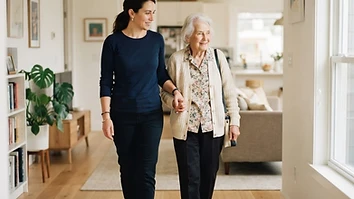
- ✓Walk with a companion for safety and motivation
Stretching
Gentle stretching improves flexibility and range of motion. It can be done sitting or standing and takes just a few minutes a day.
Focus on:
- ✓Neck and shoulders
- ✓Back and sides
- ✓Hips and legs
- ✓Ankles and feet
Balance Exercises
Balance exercises are especially important for fall prevention. Simple exercises include:
- ✓Standing on one foot (hold a chair for support)
- ✓Heel-to-toe walking
- ✓Standing up from a chair without using arms
- ✓Tai chi, which combines balance, movement, and mindfulness
Strength Training
Muscle loss accelerates with age, but strength training can slow or reverse it. Simple options include:
- ✓Using light dumbbells (2 to 5 pounds)
- ✓Using resistance bands
- ✓Doing chair exercises that use body weight
- ✓Doing wall push-ups
Start with one set of 8 to 12 repetitions and gradually increase.
Swimming or Water Exercise
Water exercise is ideal for older adults with joint pain or mobility issues. The water supports the body and reduces stress on joints. Many community pools and YMCAs offer senior water exercise classes.
Gardening
Gardening is a wonderful form of physical activity that also provides purpose and enjoyment. Digging, planting, weeding, and watering all involve movement. Use raised beds if bending is difficult.
Dancing
Dancing is fun, social, and good exercise. It improves balance, coordination, and mood. Your loved one can dance at home to favorite music or join a senior dance class.
How to Encourage Activity
Start Small
Do not expect your loved one to go from no activity to 30 minutes a day. Start with 5 minutes and build up gradually. Even a little activity is better than none.
Make It Part of the Routine
Build activity into the daily routine. A 10-minute walk after breakfast, some stretching before lunch, a short walk before dinner. When activity is part of the routine, it is more likely to happen.
See our article on why daily routines matter for more.
Do It Together
Activity is more fun with a companion. A caregiver, family member, or friend can walk with your loved one, do exercises together, or simply provide encouragement.
Focus on Enjoyment
Choose activities your loved one enjoys. If they hate walking but love gardening, focus on gardening. If they used to dance, put on some music. Activity should be a pleasure, not a chore.
Be Patient
It takes time to build strength and stamina. Celebrate small improvements and do not push too hard. If your loved one is sore or tired, take a rest day.
Use Technology
- ✓A simple pedometer or fitness tracker can motivate your loved one to move more
- ✓Online exercise videos designed for seniors can guide activity at home
- ✓A smart speaker can play music for dancing or exercise
What to Avoid
- ✓High-impact activities like jumping or running, which can stress joints
- ✓Exercises that require getting up and down from the floor if your loved one has mobility issues
- ✓Activities in extreme heat or cold
- ✓Exercising through pain. Pain is a signal to stop.
- ✓Pushing too hard. Overexertion can lead to injury and discouragement.
When a Caregiver Can Help
A caregiver can:
- ✓Walk with your loved one for safety and motivation
- ✓Help with stretching and exercises
- ✓Provide transportation to exercise classes or the pool
- ✓Encourage activity as part of the daily routine
- ✓Monitor for signs of overexertion or discomfort
A Final Note
The best exercise is the one your loved one will actually do. Focus on finding activities they enjoy and building them into the routine. Even small amounts of regular activity can make a significant difference in health, mobility, and quality of life.
If you would like help keeping your loved one active, Healthy at Home offers a free care assessment. Our caregivers can provide companionship, transportation, and encouragement for physical activity.
Healthy at Home Caregivers
Educational resource for families and caregivers
Could your loved one use more support at home?
Healthy at Home provides personalized non-medical home care designed around your family's schedule and needs.
Learn About Home CareNeed more support at home?
Every family's situation is different. Healthy at Home can help you understand your options and build a care plan that fits your loved one's needs.
Prefer to talk? Call (949) 340-2617