Technology That Can Help Older Adults Live More Safely at Home
Medical alerts, smart lights, door sensors, and medication reminders can add a layer of safety. But technology does not replace human care.
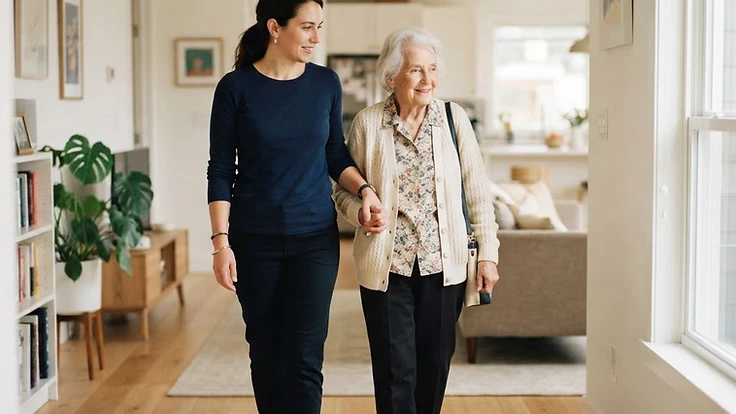
Technology can add a meaningful layer of safety for older adults living at home. Medical alert systems, smart lights, and sensors can provide peace of mind for families and quick help in an emergency.
But technology is a supplement to human care, not a replacement. A device can call for help after a fall, but it cannot prevent the fall. A sensor can tell you that a door opened, but it cannot provide the companionship that reduces restlessness and wandering. The best approach combines technology with human support.
This article covers the main categories of safety technology and how to think about them.
Medical Alert Systems
A medical alert system lets your loved one call for help by pressing a button on a wearable device. Most systems include a base station connected to a phone line and a wearable button, typically worn as a pendant or bracelet.
What to Look For
- ✓Fall detection: Some devices can detect a fall automatically and call for help even if the person cannot press the button. This is valuable if your loved one might be unconscious after a fall.
- ✓Waterproof: The device should be wearable in the shower, since many falls happen in the bathroom.
- ✓Battery life: Check how long the wearable battery lasts and how the base station battery works during a power outage.
- ✓Range: Make sure the wearable device works throughout the home and yard.
- ✓Monitoring: Choose a system with 24-hour professional monitoring, not one that only calls a family member.
Limitations
A medical alert system only works if your loved one wears it. Many older adults resist wearing the device or take it off at night. If your loved one will not wear it, the system will not help. Also, fall detection is not perfect. It may miss some falls or trigger false alarms.
Smart Lighting
Smart lighting can improve safety by ensuring your loved one does not have to navigate a dark house:
- ✓Motion-sensor lights turn on automatically when someone enters a room or hallway. These are especially useful for the path from bedroom to bathroom at night.
- ✓Smart bulbs can be controlled by voice, phone, or schedule. You can set lights to turn on at sunset and off at bedtime.
- ✓Night lights with motion sensors provide low-level light without being bright enough to disrupt sleep.
Smart lighting is relatively inexpensive and easy to install. It is one of the most practical safety upgrades you can make.
Door and Window Sensors
Sensors that detect when a door or window opens can alert you to:
- ✓A loved one with dementia leaving the house at night
- ✓An unexpected visitor or intruder
- ✓A door left open that could let in cold air or pests
Basic sensors chime when a door opens. More advanced systems send alerts to your phone. Some can be integrated with smart home systems to trigger lights or cameras.
For families caring for someone with dementia, door sensors are an important wandering prevention tool. See our article on reducing dementia wandering risk for more.
Medication Reminder Devices
Medication errors are a common and dangerous problem for older adults. Technology can help:
- ✓Pill dispensers with alarms release the right medications at the right time and sound an alarm when it is time to take them.
- ✓Smart pill bottles track when medications are taken and send alerts if a dose is missed.
- ✓Phone apps can send medication reminders to your loved one's phone or yours.
These devices can help, but they do not replace human oversight. A caregiver can provide medication reminders and help organize pill boxes, which is often more reliable than technology alone.
Video Doorbells and Cameras
Video doorbells let your loved one see who is at the door without opening it. This is valuable for safety, especially for someone who may be vulnerable to scams or unwanted visitors.
Indoor cameras can help family members check in remotely. But use cameras with care and respect for your loved one's privacy. Discuss it with them first. If your loved one has dementia and cannot consent, consider whether a camera is appropriate and where it is placed.
Smart Speakers
Voice-activated speakers like Amazon Echo or Google Home can be helpful for older adults:
- ✓They can make phone calls by voice, which is useful if your loved one has trouble using a phone
- ✓They can set medication and appointment reminders
- ✓They can control smart lights and other devices by voice
- ✓They can answer questions and provide companionship
However, smart speakers are not medical devices and should not be relied on for emergencies. They also raise privacy concerns, as they are always listening. Discuss with your loved one whether they are comfortable with this technology.
GPS Tracking
For someone with dementia who may wander, a GPS tracking device can help you find them quickly. Options include:
- ✓Wearable GPS bracelets or pendants
- ✓GPS shoe inserts for people who may remove wearable devices
- ✓Smartphone tracking apps
The Alzheimer's Association Safe Return program combines a wearable ID with a 24-hour emergency response service.
What Technology Cannot Do
It is important to be clear about the limits of technology:
- ✓A medical alert button does not prevent falls. It only calls for help after one.
- ✓A door sensor tells you a door opened. It does not provide the supervision and engagement that reduces wandering.
- ✓A medication reminder device does not ensure medications are taken. It only sounds an alarm.
- ✓A camera lets you see your loved one. It does not provide the human connection that reduces loneliness and depression.
Technology works best when it is paired with human care. A caregiver can prevent falls by helping with mobility, prevent wandering by providing supervision and engagement, and ensure medications are taken by providing direct reminders.
Getting Started
If you are considering safety technology for a loved one, start with the basics:
- ✓Install motion-sensor night lights along the path from bedroom to bathroom
- ✓Get a medical alert system with fall detection
- ✓Add door sensors if wandering is a concern
- ✓Consider a medication reminder device if medication management is a challenge
Then think about what human support would add. A few hours of caregiver help per week can address the risks that technology cannot. For more on home safety, see our room-by-room safety checklist.
If you would like help assessing your loved one's safety needs, Healthy at Home offers a free care assessment. We can help you think through both technology and human support.
Healthy at Home Caregivers
Educational resource for families and caregivers
Could your loved one use more support at home?
Healthy at Home provides personalized non-medical home care designed around your family's schedule and needs.
Learn About Home CareNeed more support at home?
Every family's situation is different. Healthy at Home can help you understand your options and build a care plan that fits your loved one's needs.
Prefer to talk? Call (949) 340-2617